
What are the main components of a radar drainage and sewage flow and water level monitoring station?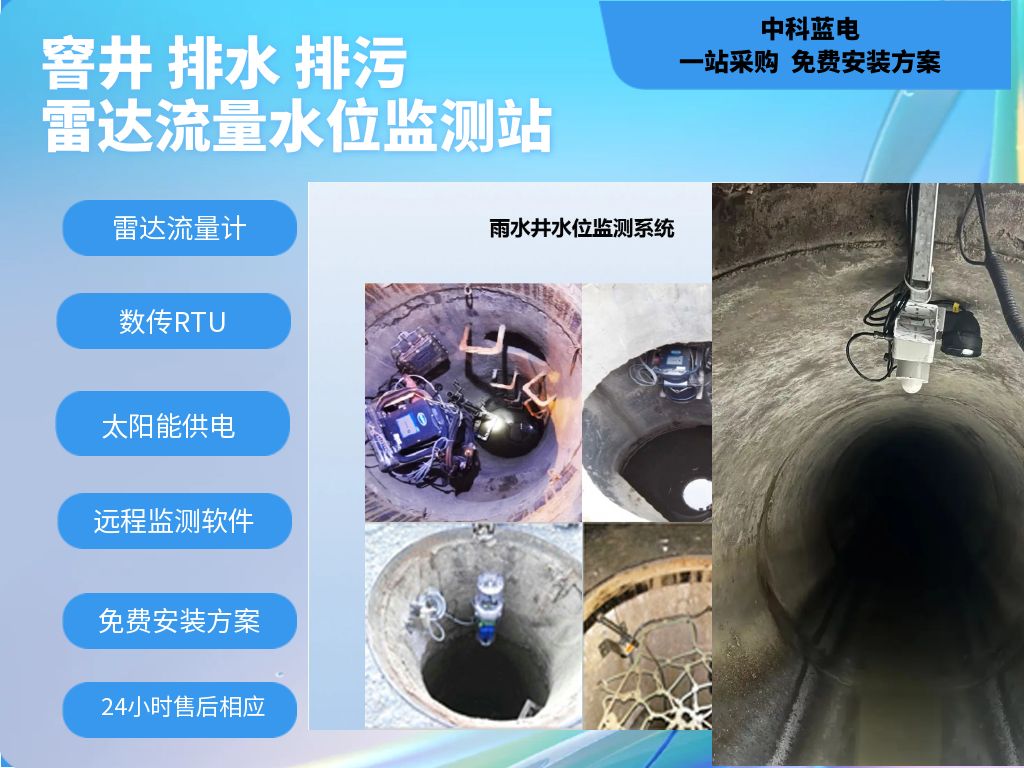
1. Radar equipment
Radar water level gauge:Used to measure the water level in manholes, pipes or other drainage and sewage facilities. It accurately calculates the water level by transmitting radar waves and receiving reflected signals.
Radar current meter:Used to measure the flow velocity of the fluid, and then calculate the flow rate in combination with the cross-sectional area of the pipe. The radar flow meter also uses non-contact measurement technology to ensure the accuracy and stability of the measurement.
2. Data Acquisition and Processing System
Data collection terminal: Responsible for collecting data from radar equipment and other sensors (such as temperature sensors, pressure sensors, etc.) and performing preliminary processing.
Data processing system: Further process and analyze the collected data, extract key parameters such as water level, flow rate, and flow, and store the data locally or upload it to a remote server.
3. Communication and transmission equipment
Communication Module:Realize data transmission between the monitoring station and the remote monitoring center. Possible communication methods include wired communication (such as Ethernet) and wireless communication (such as GPRS, LoRa, NB-IoT, etc.).
Transmission equipment: Used to transmit processed data to a remote data center or monitoring platform in real time for management personnel to conduct real-time monitoring and analysis.
4. Power supply and auxiliary equipment
Power System:Provide stable and reliable power supply for monitoring stations. Depending on the application environment, it may be powered by mains electricity, solar power or battery.
Protective box and bracket: Protect the monitoring station equipment from the harsh environment and provide support for installation and fixing. The protective box usually has functions such as waterproof, dustproof, and corrosion-resistant, and the bracket is customized according to actual needs.
5. Other possible components
Rain gauge:Used to monitor rainfall and provide additional data support for drainage and sewage management.
Alarm system:When water level, flow rate and other parameters exceed the preset threshold, the alarm system is triggered to remind management personnel to take timely measures through sound and light alarms, SMS notifications, etc.
Management Software:Used to receive, process and analyze data uploaded by monitoring stations, provide query, statistics and analysis functions, and support remote configuration and management of monitoring station equipment.
To sum up, the radar drainage and sewage flow and water level monitoring station is a comprehensive monitoring system that integrates multiple technologies and equipment, which can realize real-time monitoring and remote management of parameters such as water level, flow velocity, and flow in drainage and sewage facilities.
How to install the radar manhole drainage and sewage flow and water level monitoring station and what precautions should be taken?
The installation process of the radar manhole drainage and sewage flow and water level monitoring station is relatively complicated, and certain steps and precautions need to be followed to ensure the normal operation and measurement accuracy of the monitoring station. The following are some key steps and precautions: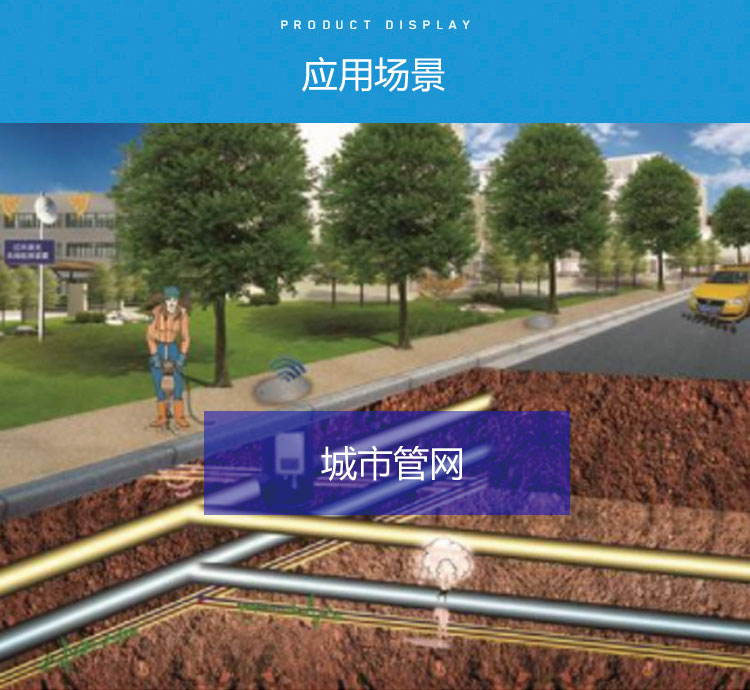
Installation Steps
Site selection and preparation
Site selection: Choose a place with steady water flow, no obvious vortex and backflow, away from strong electromagnetic interference sources and areas prone to flooding, and ensure a wide and unobstructed view. At the same time, consider the range of water level changes to ensure that the monitoring station can work effectively at both the lowest and highest water levels.
Environmental Assessment: Evaluate the environmental conditions at the installation site, including temperature, humidity, wind speed, lightning activity, etc., to ensure that the equipment can operate safely in extreme weather.
Infrastructure:Design and build a stable installation platform or bracket according to the specific model and weight of the monitoring station. The bracket should be stable enough to withstand the weight of the monitoring station and the impact of external environmental factors (such as wind and water impact, etc.).
Installing the Monitoring Station
Mounting Bracket: Fix the pre-prepared mounting bracket at the selected location and ensure that the bracket is stable and does not shake.
Installing radar equipment: Install the radar water level meter and radar current meter (if applicable) on the bracket to ensure that the radar beam can illuminate the water surface vertically to avoid measurement errors caused by angle deviation. Use tools such as a level and compass to assist in adjusting the installation angle.
Connection lines: Connect the power cord, data cable, etc. correctly according to the instructions, and ensure that the connectors are firm and waterproof. For long-distance transmission, consider using high-quality communication cables to reduce signal attenuation.
Installing protective devices: Install protective covers, ventilation devices, etc. as needed to protect the radar sensor from the external environment.
Configuration and debugging
Parameter settings:According to the actual measurement requirements, set the working parameters of the monitoring station, such as measurement range, sampling frequency, data upload interval, etc., through the device interface or remote management software.
Calibration Test: Perform a preliminary calibration test, use a known water level value for comparison, and adjust the device to the measurement state. For accuracy requirements, use professional calibration tools for fine adjustment.
Software Configuration: Configure data acquisition and processing software to ensure that the data sent by the monitoring station can be correctly received, stored and analyzed. Set alarm thresholds so that alarms can be issued in time when parameters such as water level and flow are abnormal.
Remote monitoring test
Test the functions of the remote monitoring system, including real-time data transmission, remote control, fault alarm, etc., to ensure the smooth operation of the entire system.
Precautions
Waterproof and Sealing: For outdoor installation, pay special attention to waterproof sealing to prevent rainwater from invading the interior of the device. Tighten all screws and connectors to ensure that the device is firmly fixed to the installation platform.
Lightning protection: In areas prone to lightning strikes, lightning protection equipment such as lightning rods and surge protectors must be installed, and the grounding wire of the monitoring station must be reliably connected to the lightning protection system to ensure equipment safety.
Cable Connection: Make sure the cables meet the electrical connection specifications, wrap the joints with waterproof tape, and seal the gaps to prevent water or mosquitoes from entering. Unused electrical interfaces should be sealed with plugs to prevent moisture or dust from entering.
Regular inspection and maintenance: Develop a regular inspection plan, including equipment appearance, cable connections, lightning protection facilities, etc., to ensure that the equipment is in good condition. Regularly clean the radar probe and surrounding areas to avoid dirt accumulation that affects measurement accuracy.
Professional Training: Provide professional training to operators to familiarize them with equipment operation, daily maintenance and simple troubleshooting, and improve the overall operation and maintenance level.
By following the above steps and precautions, the correct installation and stable operation of the radar manhole drainage and sewage flow and water level monitoring station can be ensured, providing accurate and reliable data support for drainage and sewage management.